
Asset tracking vs fleet tracking: wat is het verschil?

Inleiding
Voor veel industriële en logistieke organisaties is het elke dag een uitdaging om te weten waar resources zich bevinden. Gereedschap raakt zoek, voertuigen bewegen tussen sites en voorraad verschuift voortdurend. Betrouwbare tracking is daardoor essentieel. Veel bedrijven worstelen niet alleen met het lokaliseren van kritieke apparatuur, maar ook met het begrijpen hoe verschillende trackingoplossingen passen binnen hun werking. Asset management biedt een gestructureerde aanpak om fysieke assets te organiseren, onderhouden en monitoren, zodat resources efficiënt worden gevolgd en benut. Een veelvoorkomende misvatting is dat GPS alles kan volgen. Hoewel GPS tracking goed werkt voor voertuigen buiten, kan het tools, pallets of machines binnenshuis niet betrouwbaar lokaliseren. Dat toont meteen de grenzen van GPS voor niet-voertuigassets. Een andere misvatting is dat assets alleen voertuigen zijn, terwijl ook apparatuur, voorraad en operationele middelen nauwkeurige tracking binnen faciliteiten nodig hebben.
Het begrijpen van die verschillen is essentieel om voor elke operationele nood de juiste oplossing te implementeren. Het onderscheid tussen asset tracking en fleet tracking wordt bepaald door wat wordt gemonitord, waar de tracking plaatsvindt en hoe locatiegegevens worden gebruikt om operationele beslissingen te sturen. Die verschillen kennen is belangrijk om de juiste technologie en architectuur te kiezen voor moderne industriële en logistieke omgevingen.
In dit artikel bekijken we hoe asset tracking en fleet tracking elk een andere, maar complementaire rol spelen, welke technologieën erachter zitten en waar traditionele trackingmethoden tekortschieten. We lichten ook toe hoe Pozyx deze uitdagingen aanpakt door indoor- en outdoor positioneringstechnologie samen te brengen in een uniform zichtbaarheidsplatform voor echte industriële operaties.
Wat is een asset tracking-systeem?
Een asset tracking-systeem is een technologisch kader waarmee fysieke assets gedurende hun volledige levenscyclus kunnen worden geidentificeerd, gelokaliseerd en gemonitord. Die assets omvatten tools, apparatuur, containers, voorraad en work-in-progress items. Het systeem combineert fysieke identifiers op de assets met een netwerk van receivers en software die ruwe signalen omzet in bruikbare locatie- en statusinformatie.
Een modern asset tracking-systeem bestaat doorgaans uit:
- Tags of transponders die op assets zijn bevestigd
- Vaste of mobiele receivers zoals gateways of anchors
- Een communicatielaag met technologieen zoals RFID, BLE, UWB, Wi-Fi, cellular of GPS waar relevant
- Software die assetdata verzamelt, visualiseert en analyseert
Tracking-systemen bieden doorlopende zichtbaarheid op assetbeweging, gebruik en beschikbaarheid, waardoor operationele beslissingen beter onderbouwd zijn.
Soorten asset tracking
Asset tracking-technologieen verschillen in hoe ze assets identificeren, de locatie bepalen en schaalbaar zijn in verschillende omgevingen.
RFID is vaak de basis-technologie en wordt veel gebruikt voor identificatie en checkpoint-gebaseerde zichtbaarheid. Passieve RFID-tags worden gevoed door nabijgelegen readers en zijn ideaal om de aanwezigheid van een asset op een bekende locatie te bevestigen. Active RFID vergroot het bereik via batterijgevoede transmissie, maar is nog steeds afhankelijk van nabijheid tot readers in plaats van continue lokalisatie.
Wi-Fi-gebaseerde tracking is een andere optie, met een nauwkeurigheid die meestal varieert tussen 10 en 50 meter, afhankelijk van de layout van de site en de dichtheid van access points. Omdat het veel stroom verbruikt, wordt het vooral gebruikt voor elektronica waarin wifi al aanwezig is.
Bluetooth Low Energy bouwt hierop voort door batterijgevoede tags signalen op vaste intervallen en met heel laag verbruik uit te zenden. Die signalen worden opgepikt door gateways of anchors, waardoor systemen de assetlocatie kunnen schatten via signaalsterkte en triangulatie. BLE is een kostenefficiënte indoor trackingoptie die infrastructuurkosten, batterijduur en nauwkeurigheid mooi in balans brengt. In de meeste implementaties biedt BLE zone- of room-level zichtbaarheid in magazijnen en productieomgevingen.
Ultra-Wideband gebruikt een andere positioneringsmethode door time-of-flight te meten in plaats van signaalsterkte. Door de precieze reistijd tussen UWB-tags en anchors te berekenen, bereiken systemen een consistente nauwkeurigheid op centimeterniveau, meestal tussen 10 en 30 centimeter. Die precisie blijft betrouwbaar in omgevingen met metalen structuren, machines en radioreflecties. UWB wordt vaak ingezet wanneer exacte positionering van assets rechtstreeks invloed heeft op operationele workflows.
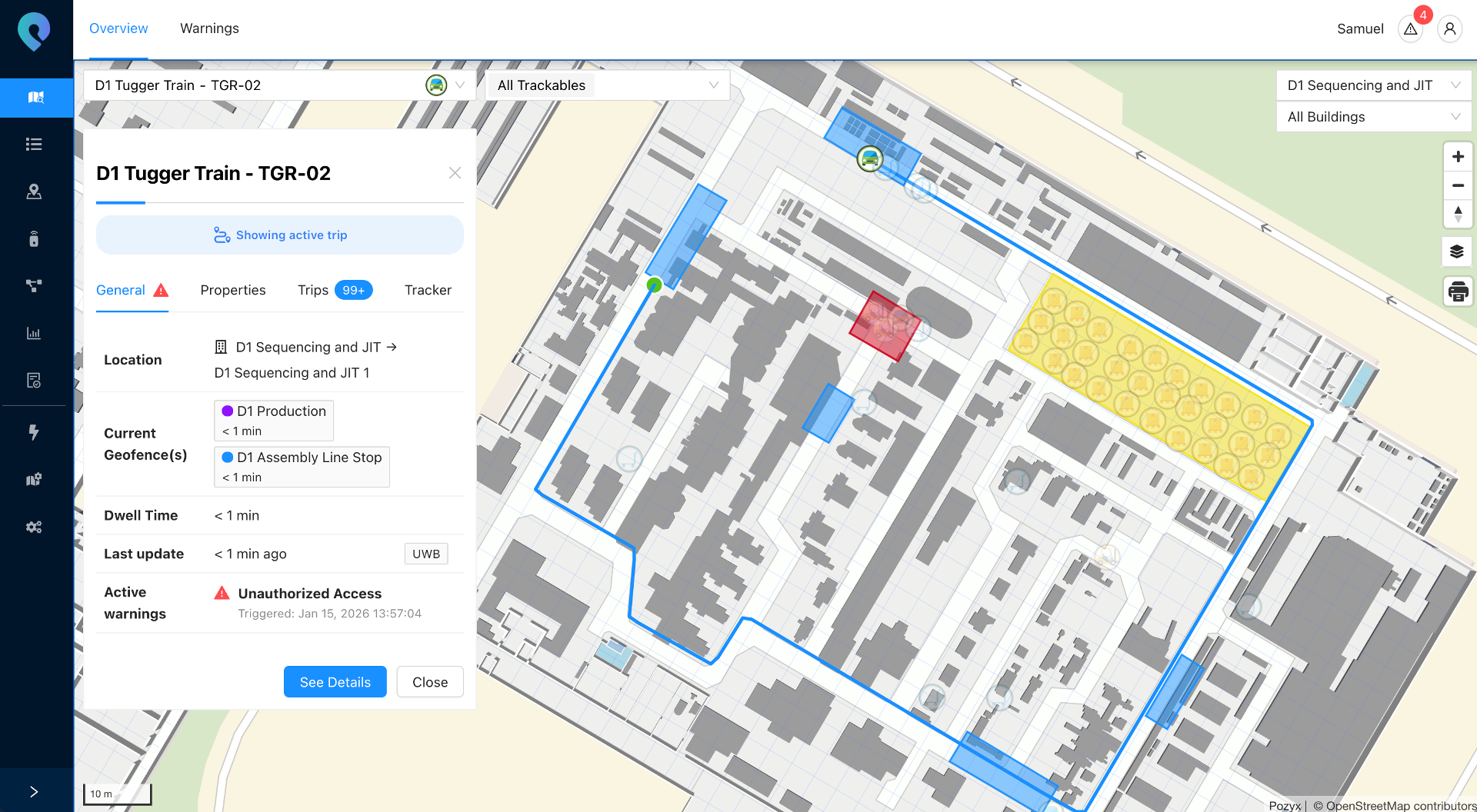
GPS speelt een beperkte rol in asset tracking en wordt vooral gebruikt voor assets die buiten over grote afstanden bewegen. GPS biedt wereldwijde dekking, maar presteert slecht binnenshuis en verbruikt meer stroom, waardoor het minder geschikt is voor kleine batterijgevoede tags.
Bij de keuze van een asset tracking-systeem moeten organisaties rekening houden met het type asset, de operationele omgeving en de vereiste nauwkeurigheid. Een goed ontworpen oplossing levert de zichtbaarheid die nodig is om assetbeweging en gebruik te begrijpen, en ondersteunt workflowoptimalisatie, betere resourceallocatie en meetbare verbeteringen op de bottom line.
Bekijk deze battery-life calculator om de batterijduur voor verschillende UWB-, GPS- en BLE-trackers te berekenen.
Waarom asset tracking belangrijk is
Asset tracking heeft een directe impact op operationele efficiëntie, kapitaalbenutting en de kwaliteit van beslissingen. In omgevingen waar assets mobiel zijn, leidt beperkte zichtbaarheid tot verloren werkuren, onnodige aankopen en vertragingen door zoekgeraakte apparatuur. Asset tracking verkort zoektijden en verbetert de workflow, zodat teams zich kunnen focussen op productief werk in plaats van op het lokaliseren van resources.
Bij de implementatie van asset tracking-systemen in magazijnen en maakindustrie laten Pozyx-case studies reducties zien van meer dan 50 procent in het detecteren van vertragingen en in de tijd voor manuele supervisie, naast aantoonbare verbeteringen in operationele efficiëntie. In toepassingen met herbruikbare assets en verpakkingen rapporteerden organisaties tot 80 procent minder verloren assets. Analytics op basis van Pozyx-locatiegegevens ondersteunen betere planning, meer zichtbaarheid en continue operationele verbetering.
Door asset tracking in te zetten krijgen organisaties helder inzicht in hoe assets bewegen en hoe vaak ze worden gebruikt. Dat verbetert de coördinatie, vermindert redundantie en maakt capaciteitsplanning nauwkeuriger. Op termijn ondersteunt asset visibility slankere operaties door de beschikbaarheid van equipment af te stemmen op productieplanning en vraag.
Verschillende Pozyx-case studies tonen meetbare reducties in zoektijd, stilstaande assets en procesknelpunten na implementatie van realtime asset tracking.
Belangrijkste functies van asset tracking
Een asset tracking-systeem van productieniveau bevat doorgaans:
- Realtime of near-realtime indoor locatie tracking
- Historische beweging- en gebruiksregistraties
- Zone-gebaseerde logica voor detectie van binnenkomst, vertrek en dwell time
- Waarschuwingen bij beweging, inactiviteit of ongeoorloofde verplaatsing
- Onderhoudsplanning op basis van trackingdata
- API's voor integratie met WMS, ERP, MES en analyticsplatformen
Deze mogelijkheden zijn cruciaal voor het volgen van waardevolle apparatuur in complexe omgevingen zoals productie, logistiek en zorg. Predictive maintenance op basis van trackingdata kan de levensduur van equipment verlengen en reparatiekosten verlagen. Zo wordt locatie-data een operationele input in plaats van een losse visualisatie.
Veelvoorkomende toepassingen
Asset tracking wordt vaak gebruikt in:
- Magazijnen en distributiecentra voor pallets, karren en materiaalbehandelingsapparatuur
- Productieomgevingen voor tools, fixtures en work-in-progress
- Zorginstellingen voor mobiele medische apparatuur
- Bouwplaatsen voor zwaar materieel en draagbare assets
- Luchthavens, havens en logistieke hubs voor containers en ground support equipment
Ontdek het Pozyx Platform
Het Pozyx platform brengt positioneringsgegevens samen om volledige zichtbaarheid te geven aan logistiek en productie.
Pozyx Platform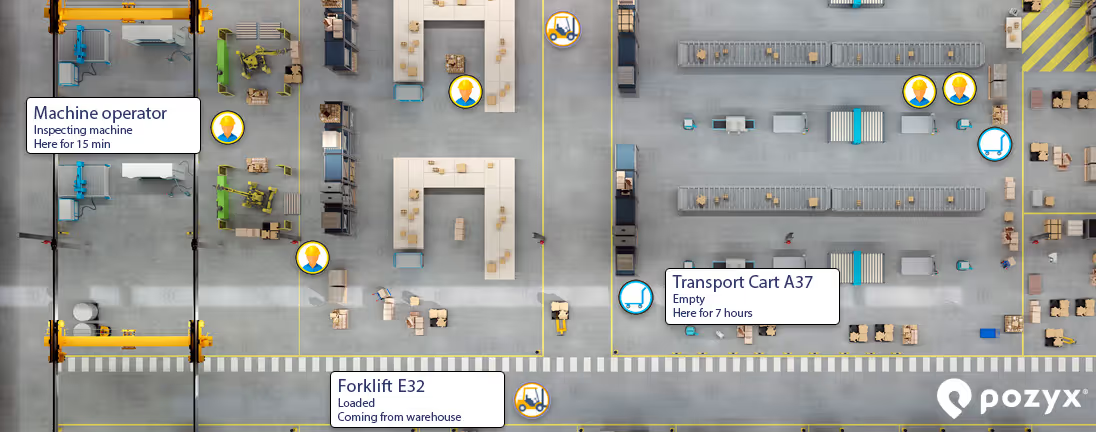
Wat is fleet tracking?
Fleet tracking is het systematisch volgen en beheren van voertuiggebonden operaties. Het maakt het mogelijk om de locatie, bewegingen en het gebruik van voertuigen te bewaken, zodat organisaties een helder beeld krijgen van hoe hun vloot op elk moment functioneert.
In de kern draait fleet tracking om zichtbaarheid en controle: begrijpen waar voertuigen zich bevinden, hoe ze worden gebruikt en of de vloot aansluit op de operationele doelstellingen. In plaats van te vertrouwen op manuele logs of giswerk, biedt fleet tracking managers een gestructureerde manier om activiteit te monitoren, patronen te herkennen en verantwoordelijkheid over de hele vloot te behouden.
Door dat realtime inzicht kunnen organisaties beter beslissen over inzet, planning en resourceallocatie, en zo de basis leggen voor efficiëntere operaties en betere dienstverlening.
Waarom fleet tracking belangrijk is
Vlootoperaties vertegenwoordigen een aanzienlijke investering, en inefficiënties in routing, gebruik en voertuigbeschikbaarheid zijn moeilijk te detecteren zonder nauwkeurige tracking. Fleet tracking-systemen bieden realtime zicht op voertuiglocatie en -beweging, waardoor sneller kan worden gereageerd op vertragingen, routingbeslissingen beter onderbouwd zijn en de vloot efficiënter wordt ingezet.
Naast locatiegegevens integreren moderne fleetplatformen ook voertuigdiagnostiek, monitoring van rijgedrag en onderhoudsdata. Zo kunnen organisaties onderhoud proactief plannen, ongeplande stilstand verminderen en veiligheid en brandstofefficiëntie verbeteren. In combinatie met operationele analytics ondersteunt fleet tracking betrouwbaardere service en consistente verantwoordelijkheid over verspreide vloten.
Belangrijkste functies van fleet tracking
Fleet tracking-platformen bevatten doorgaans:
- Realtime voertuiglocatie op basis van GPS
- Geofencing voor monitoring van aankomsten, vertrekken en beperkte zones
- Voertuigdiagnostiek en operationele data
- Analytics over rijgedrag en veiligheidsmonitoring
- Rapportage- en prestatiedashboards
Veelvoorkomende toepassingen
Fleet tracking wordt breed gebruikt in:
- Transport over lange afstanden en regionaal vrachtvervoer
- Last-mile delivery-vloten
- Field service- en onderhoudsvoertuigen
- Openbaarvervoersystemen
- Verhuur- en leasingvloten
Vergelijkingstabel
Fleet tracking blinkt uit in het monitoren van voertuigen onderweg, terwijl asset tracking nauwkeurige zichtbaarheid biedt voor tools, voorraad en apparatuur binnenshuis. De sleutel voor moderne operaties is een systeem dat beide moeiteloos kan doen.
De kloof tussen asset en fleet tracking overbruggen
Asset tracking en fleet tracking werken op verschillende lagen van de logistieke stack; Industry 4.0-operaties hebben steeds vaker beide nodig. Assets bewegen van indoor omgevingen waar RFID, BLE en UWB het sterkst zijn naar outdoor transport waar GPS continuïteit biedt.
Effectieve tracking-systemen combineren technologieen op basis van waar elke technologie het best in is. RFID is zeer geschikt voor identificatie, BLE maakt schaalbare indoor zichtbaarheid mogelijk, UWB biedt uiterst nauwkeurige lokalisatie en GPS zorgt voor betrouwbare positionering buiten. Wanneer die technologieën worden samengebracht in één data-platform, krijgen organisaties end-to-end zichtbaarheid zonder in te leveren op nauwkeurigheid of operationele efficiëntie.
Steeds vaker worden trackingdevices ontworpen om meerdere technologieën te combineren. Sommige GPS-trackers gebruiken bijvoorbeeld wifi- en BLE-scanning om indoor positie te schatten, terwijl BLE ook presence detection kan ondersteunen tijdens transport. Zulke hybride benaderingen maken het mogelijk om zichtbaarheid te behouden terwijl assets zich verplaatsen tussen binnen- en buitenomgevingen, en zo een meer continue en praktische trackingoplossing te creëren.
Pozyx is ontworpen om te integreren met bestaande fleet management- en enterprise-systemen, zodat er continuïteit is tussen outdoor voertuigtracking en indoor asset visibility.
Hoe Pozyx het speelveld van asset tracking verandert
Pozyx specialiseert zich in high-precision indoor asset tracking met UWB en BLE, met systemen die zijn ontworpen voor industriële schaal. Door time-of-flight-metingen te prioriteren boven schatting op basis van signaalsterkte, levert Pozyx betrouwbare locatiegegevens op centimeterniveau die consistent blijven in complexe operationele omgevingen.
De Pozyx-platformen ondersteunen ook GPS- en BLE-scanning, zodat een volledig beeld ontstaat van assetbewegingen binnen en buiten. Open API's maken het mogelijk om locatiegegevens rechtstreeks te integreren in logistieke en analyticsplatformen zonder custom middleware. Door die technologieën te combineren, helpt Pozyx organisaties om voorbij benaderende zichtbaarheid te gaan en locatie-data te gebruiken als een betrouwbare operationele input.
Pozyx biedt starter kits en schaalbare uitrol, zodat organisaties kunnen starten met een proof of concept en later kunnen uitbreiden naar meerdere sites.
Conclusie
Asset tracking en fleet tracking beantwoorden verschillende, maar onderling verbonden operationele noden. Asset tracking focust op hoge-resolutie zichtbaarheid binnen faciliteiten met RFID, BLE en UWB, terwijl fleet tracking vooral GPS gebruikt om voertuigen buiten te beheren. Elke technologie dient een specifiek doel op basis van omgeving, nauwkeurigheidseisen en energieverbruik.
Organisaties die die verschillen begrijpen, kunnen trackingarchitecturen ontwerpen die meetbare operationele resultaten opleveren. Oplossingen zoals Pozyx tonen hoe nauwkeurige indoor positionering asset tracking kan optillen van basiszichtbaarheid naar een kernonderdeel van operationele intelligentie.
Ontdek hoe Pozyx u kan helpen om naadloze indoor- en outdoor zichtbaarheid te bereiken met high-precision realtime asset tracking.
Geschreven door
Benjamin Smith, MBA

Marketingspecialist bij Pozyx
Ben combineert een achtergrond in bedrijfsontwikkeling en marktonderzoek met een sterke interesse in industriële technologie en locatie-informatie. Hij is gepassioneerd om te onderzoeken hoe innovatieve trackingtechnologieën de efficiëntie, zichtbaarheid en besluitvorming in verschillende sectoren kunnen verbeteren.