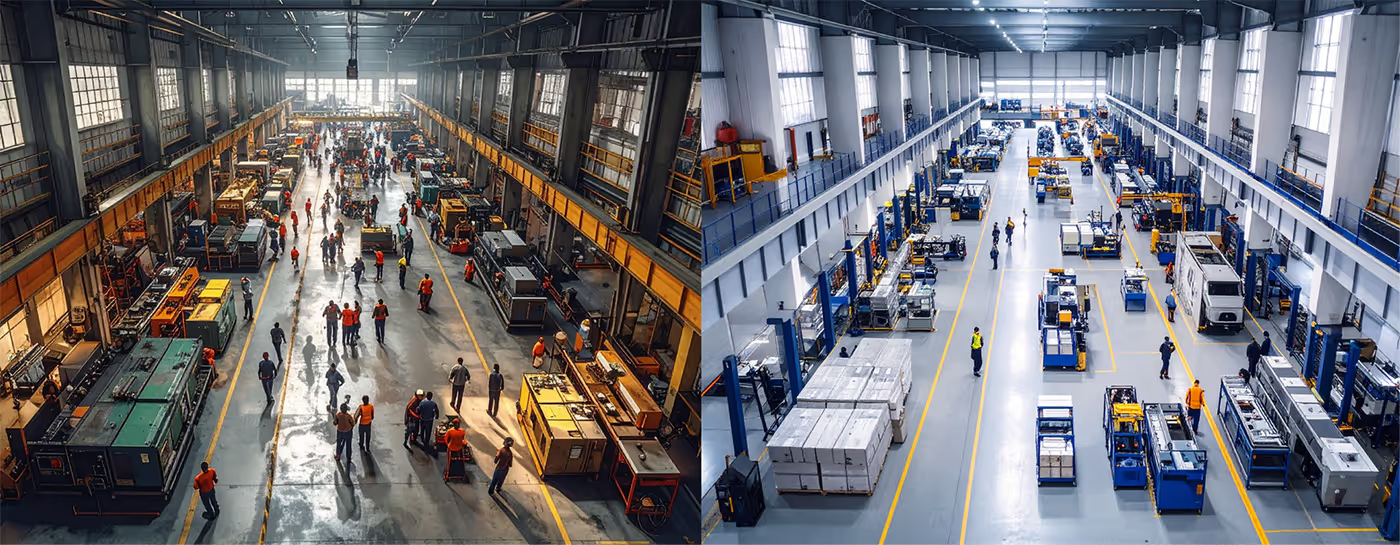
RTLS in de maakindustrie

RTLS in de maakindustrie
Barcodes en RFID (radio frequency identification) zijn al jaren de standaard om assets in de maakindustrie te volgen en bieden basiszichtbaarheid op getagde of gelabelde items. RFID is in het bijzonder uitgegroeid tot een fundamentele technologie voor automatische identificatie met tags en readers. Maar nu fabrieken evolueren naar sterk verbonden en geautomatiseerde Industrie 4.0-omgevingen, wordt steeds duidelijker dat barcodes en RFID alleen niet meer volstaan. Ze zijn afhankelijk van actieve scans via poorten of mobiele readers, zorgen voor extra handmatige stappen, zijn foutgevoelig en leveren vooral geen realtime updates. Daardoor zijn ze lastig in te zetten in sterk geautomatiseerde en dynamische productieflows.
Voor bepaalde assets, zoals work-in-progress orders, containers, intern transportmaterieel, mobiele robots of zelfs operators, hebben fabrikanten continue realtime precisie nodig met eenvoudige dataverzameling in zowel indoor- als outdooroperaties. Daarvoor worden Real-Time Location Systems (RTLS) steeds belangrijker.
Moderne RTLS-oplossingen, waaronder systemen op basis van UWB en BLE, bieden nu de nauwkeurigheid en betrouwbaarheid die nodig zijn voor realtime tracking in veeleisende productieomgevingen. Tegelijk blijven de meeste fabrieken vertrouwen op een mix van technologieën zoals RFID, barcodes, 5G, camera's of zelfs GPS voor verschillende onderdelen van hun processen. Daarom is het belangrijk dat RTLS-software soepel samenwerkt met bestaande systemen en helpt om data samen te brengen in praktische, dagelijkse workflows.
Lees meer over hoe RTLS werkt in RTLS uitgelegd en indoor location tracking.
In dit artikel gaan we in op de belangrijkste use-cases van RTLS in de maakindustrie, met praktijkvoorbeelden en uitleg over implementatie binnen een IT/OT-ecosysteem voor productie.
Toepassingen van RTLS in de maakindustrie
Moderne productieomgevingen zijn complexe ecosystemen. Meerdere productielijnen, geautomatiseerde machines, magazijnen en logistieke zones draaien tegelijk en genereren enorme hoeveelheden beweging en data. RTLS-technologie wordt ingezet om assemblagelijnen te optimaliseren door workflows te verbeteren, knelpunten te verminderen en voorraadbeheer te versterken, wat leidt tot meer efficiëntie en een hogere productkwaliteit. Productielocaties stellen door hun schaal en operationele complexiteit specifieke eisen. Zo'n omgeving efficiënt beheren vraagt meer dan handmatige scans en reactieve processen. Het vraagt om intelligente automatisering en realtime zichtbaarheid.
We hebben meer dan 200 unieke RTLS-toepassingen in de maakindustrie geïdentificeerd. Meestal vallen ze in deze 5 duidelijke use-casegroepen:
- Zoeken & vinden: Assets direct lokaliseren en zoektijd verkorten
- Automatiseren: Workflows stroomlijnen en handmatige scans elimineren
- Optimaliseren: Assetbenutting en operationele efficiëntie maximaliseren
- Rapporteren: Data inzetten voor compliance en volledige traceerbaarheid
- Beschermen: Veiligheid vergroten en operationele risico's beperken
In de sector hebben organisaties als ArcelorMittal, Alcon en Salco uit eerste hand ervaren hoe automatisering met RTLS leidt tot veiligere, efficiëntere en datagedreven operaties.
Ontdek het Pozyx Platform
Het Pozyx platform brengt positioneringsgegevens samen om volledige zichtbaarheid te geven aan logistiek en productie.
Pozyx Platform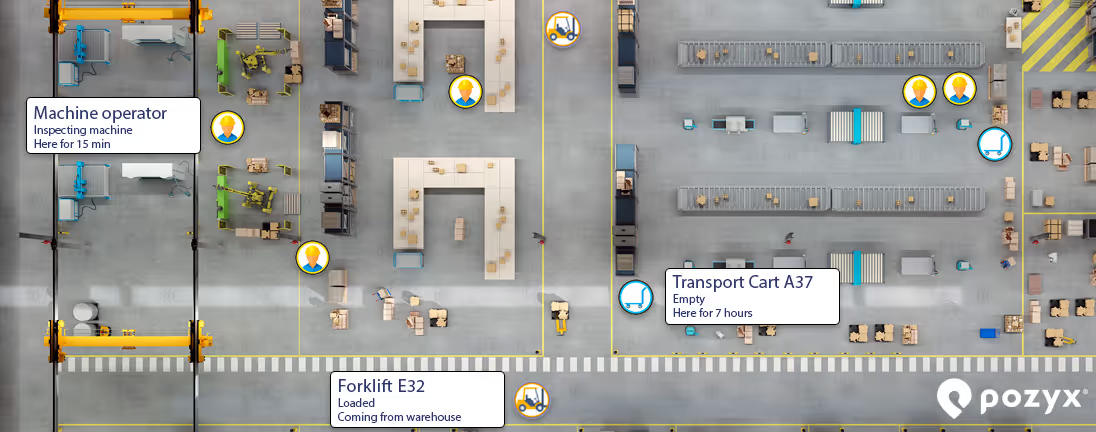
Assettracking- en workflowuitdagingen oplossen
In drukke productieomgevingen kunnen zoekgeraakte apparatuur en materialen kettingreacties veroorzaken. Zelfs korte vertragingen bij het lokaliseren van kritieke assets leggen de productie stil, vertragen onderhoudsteams en verstoren de toeleveringsketen. Die inefficiënties verhogen de operationele kosten door noodvervangingen, dubbele voorraadinkopen en verspilde arbeid. Voor safety- en operations-teams betekent niet weten waar assets zich bevinden minder reactievermogen en minder mogelijkheid om preventieve procedures efficiënt uit te voeren.
Pozyx RTLS pakt deze uitdagingen aan door assets nauwkeurig en realtime te volgen in binnen- en buitenomgevingen. Met UWB voor zeer nauwkeurige indoor positionering, BLE voor flexibele en kostenefficiënte dekking in diverse zones en GPS voor outdoor operaties biedt het Pozyx-platform continue zichtbaarheid op elk getagd item. In de praktijk kunnen medewerkers zo noodzakelijke assets vrijwel direct terugvinden, waardoor onnodige stilstand verdwijnt en de workflow soepel blijft lopen. Managers krijgen bovendien een volledig overzicht van voorraadniveaus en resourceverdeling, zodat gereedschap en machines beschikbaar zijn waar ze het meest nodig zijn.
Bij ArcelorMittal heeft Pozyx RTLS de magazijnoperaties verbeterd door grondstoffen en eindproducten te volgen. Het systeem verkortte niet alleen zoektijden, maar bracht ook inefficiënties in opslag en handling aan het licht. Daardoor kon het team de indeling optimaliseren, taken beter plannen en knelpunten voorspellen, wat de doorvoer verbeterde en consistente productie binnen Industrie 4.0-initiatieven ondersteunde.
Workflowoptimalisatie gaat verder dan het lokaliseren van zoekgeraakte assets. Door realtime zichtbaarheid te koppelen aan operationele planning kunnen teams repetitieve trackingtaken automatiseren, assetbenutting maximaliseren en processen proactief bijsturen om de productie stabiel te houden. Continue data uit RTLS helpt fabrikanten snel weloverwogen beslissingen te nemen en ondersteunt slimmere operaties in alle afdelingen van de site.
Voor meer informatie over hoe RTLS-automatisering lean manufacturing en workflowefficiëntie ondersteunt, zie WIP- en materiaalstroom.
Werkplekveiligheid en betrouwbaarheid van apparatuur verbeteren
Veiligheid en betrouwbaarheid van apparatuur zijn essentieel voor succes in de maakindustrie. Operators werken vaak in de buurt van zware machines, bewegende voertuigen en geautomatiseerde robots, wat risico's oplevert die constante aandacht vragen. Zonder realtime zichtbaarheid is het moeilijk te garanderen dat medewerkers in veilige zones blijven of dat machines binnen veilige grenzen opereren. RTLS-oplossingen vergroten de veiligheid door risico's te beperken, naleving van veiligheidsnormen te ondersteunen en de totale veiligheidsprestaties in industriële omgevingen te verbeteren.
Pozyx RTLS versterkt veiligheid en betrouwbaarheid via geautomatiseerde monitoring en geofencing. Het systeem kan virtuele veiligheidszones creëren die waarschuwingen activeren wanneer personeel verboden gebieden binnengaat of wanneer onveilige omstandigheden ontstaan. Dat verkleint niet alleen het risico, maar zorgt er ook voor dat veiligheidsprotocollen automatisch worden gevolgd, zonder handmatige supervisie.
In de vestiging van Alcon in Puurs, België, werd Pozyx RTLS ingezet om de beweging van medewerkers en materiaalstromen in een cleanroom-assemblageomgeving te volgen. RTLS wordt daar gebruikt voor realtime zichtbaarheid van personeel, wat helpt om de veiligheid te verbeteren en het workflowbeheer te versterken. Met realtime data van meer dan 300 operators verspreid over drie shifts konden teams workflowverstoring of veiligheidsproblemen direct detecteren, in plaats van te wachten op rapporten aan het einde van de shift. Die proactieve zichtbaarheid stelde onderhouds- en veiligheidsteams in staat om vroeg in te grijpen, ongeplande stops te verminderen en een schonere, veiligere omgeving voor alle medewerkers te behouden.
Door beschermen te combineren met automatiseren helpt Pozyx faciliteiten om ongevallen te voorkomen voordat ze gebeuren en tegelijk de betrouwbaarheid van machines te verbeteren. Het volgen van gebruikspatronen en assetbewegingen maakt predictive maintenance mogelijk, zodat apparatuur onderhoud krijgt voordat storingen optreden. RTLS-technologie ondersteunt ook het volgen van hoogwaardige assets en helpt zo de betrouwbaarheid en compliance in kritieke operaties te bewaken.
Je kunt meer toepassingen van geautomatiseerde geofencing en proactieve veiligheid verkennen in Geofencing-voorbeelden voor hogere productiviteit.
Doorlopende verbetering en operationele efficiëntie stimuleren
De volgende stap in productieprestaties draait niet alleen om weten waar dingen zijn, maar ook om begrijpen hoe efficiënt ze bewegen en met elkaar interageren. Met meerdere locaties en honderden onderling verbonden assets is een consistente prestatienorm alleen haalbaar met betrouwbare data en zichtbaarheid op bedrijfsniveau.
Pozyx RTLS zet live locatiegegevens om in bruikbare analyses waarmee besluitvormers workflows kunnen optimaliseren en prestaties over hele faciliteiten kunnen rapporteren. Door continue monitoring krijgen fabrikanten waardevolle inzichten die verbetering stimuleren. Dashboards tonen bewegingspatronen, machinebenutting en resourceknelpunten, waardoor teams continue verbeterstrategieën kunnen toepassen op basis van meetbare data. Managers krijgen ook inzicht in de verblijftijd (dwell time), zodat ze kunnen zien hoe lang assets in specifieke zones blijven en knelpunten in materiaalstromen kunnen identificeren.
Bij Salco, een Nederlandse fabrikant van maatwerk industriële deuren, vertrouwden productieverantwoordelijken vroeger op handmatige rondes en persoonlijke observaties om work-in-progress te monitoren. Met Pozyx RTLS werken tags op elke order nu automatisch de status van werkstations bij, waardoor een live productieoverzicht ontstaat. De RTLS-software en het RTLS-platform maken realtime updates en zichtbaarheid mogelijk op de productievloer en in het productieproces. RTLS-technologie stroomlijnt en verbetert verschillende productieprocessen door assettracking te automatiseren, fouten te beperken en de algehele efficiëntie in elke productiefase te verhogen. Het systeem verminderde vertragingen bij het detecteren van afwijkingen met meer dan 50 procent en halveerde de tijd die aan handmatige supervisie werd besteed. Dat laat zien welke kracht geautomatiseerde rapportage en optimalisatie hebben voor lean, datagedreven productie.
Met nauwkeurige rapportagefuncties en optimalisatietools biedt Pozyx RTLS volledige traceerbaarheid. RTLS helpt bovendien om te voldoen aan industrienormen tijdens het productieproces en ondersteunt continue verbetering in de hele operatie. Lees meer over het toepassen van deze aanpak in Lean manufacturing.
RTLS-integratie en implementatie
Het succesvol integreren van RTLS-oplossingen in productieprocessen vraagt om een strategische aanpak die rekening houdt met zowel de technologische als de operationele behoeften van het bedrijf. Het proces begint met het kiezen van de juiste RTLS-technologie, zoals UWB, RFID of Bluetooth, op basis van de lay-out van de site, het type assets en het gewenste nauwkeurigheidsniveau. Zodra de juiste oplossing is gekozen, worden RTLS-tags aan assets, apparatuur of personeel bevestigd en worden anchors of readers op de hele site geïnstalleerd voor volledige dekking.
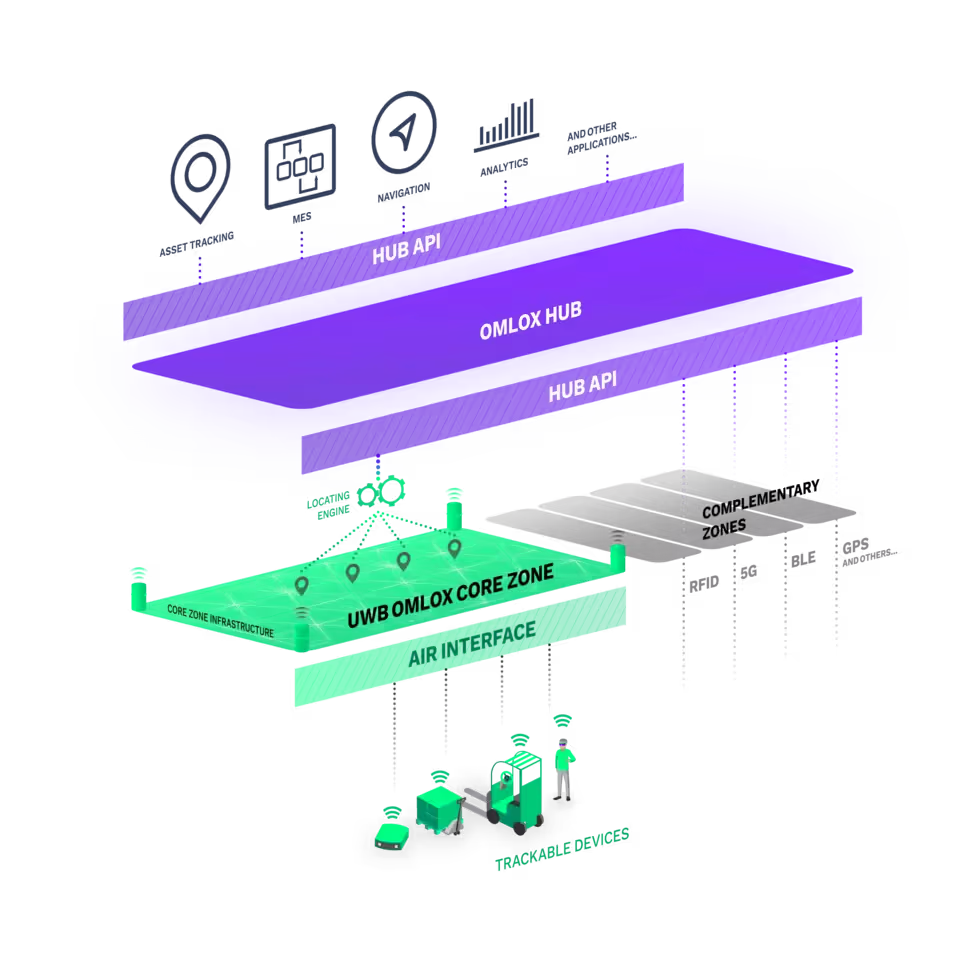
Een belangrijk voordeel van moderne RTLS-implementaties is dat ze IT- en OT-omgevingen kunnen verbinden zonder onnodige complexiteit toe te voegen. Open standaarden zoals omlox maken dit mogelijk door ervoor te zorgen dat verschillende locatietechnologieën en leveranciers betrouwbaar samenwerken. In het midden van die aanpak staat de omlox Hub, locatie-middleware die een uniforme interface biedt voor het uitwisselen van positioneringsdata. In plaats van elke RTLS- of trackingtechnologie rechtstreeks te integreren met elk ERP-, MES-, WMS- of onderhoudssysteem, gebruikt de Hub gestandaardiseerde API's en MQTT om distributie te vereenvoudigen en integratie-inspanningen te verlagen. Daardoor wordt de datalaag losgekoppeld van de onderliggende hardware en wordt het eenvoudiger om oplossingen van meerdere leveranciers op te schalen, te vervangen of te combineren, terwijl bedrijfsintegraties overzichtelijk blijven.
Conclusie
Fabrikanten staan voortdurend voor de uitdaging om assets snel terug te vinden, workflows te automatiseren, operaties te optimaliseren, veiligheid te waarborgen en betrouwbare apparatuur te behouden. RTLS-technologie speelt een steeds belangrijkere rol in het beantwoorden van die behoeften door realtime zichtbaarheid te bieden in binnen- en buitenomgevingen. Pozyx draagt aan die ontwikkeling bij met RTLS-oplossingen die UWB, BLE en GPS gebruiken om nauwkeurige locatiegegevens voor assets, voertuigen en personeel te leveren. Met tools die ruwe positiedata omzetten in bruikbare inzichten helpt Pozyx fabrikanten om meer geautomatiseerde, datagedreven en veerkrachtige operaties op te bouwen.
De ervaringen van ArcelorMittal, Alcon en Salco laten zien dat fabrikanten met Pozyx RTLS de tools krijgen om zoeken en vinden van assets in realtime mogelijk te maken, belangrijke workflows te automatiseren, operationele efficiëntie te optimaliseren, te rapporteren over compliance en prestaties, en personeel en apparatuur te beschermen. Naarmate industriële omgevingen steeds sterker verbonden en complexer worden, is het integreren van realtime locatie-inzicht essentieel om operationele uitdagingen om te zetten in kansen voor veiligere, slimmere en zeer responsieve productie in het tijdperk van Industrie 4.0.
Geschreven door
Benjamin Smith, MBA

Marketingspecialist bij Pozyx
Ben combineert een achtergrond in bedrijfsontwikkeling en marktonderzoek met een sterke interesse in industriële technologie en locatie-informatie. Hij is gepassioneerd om te onderzoeken hoe innovatieve trackingtechnologieën de efficiëntie, zichtbaarheid en besluitvorming in verschillende sectoren kunnen verbeteren.